
ABS sensors are crucial for modern vehicles' safety systems, preventing wheel lockup during emergency braking and enhancing control on challenging terrain like Brownsville Overlanding Planning. They monitor wheel speed in real-time, reducing crash severity by up to 35%, per NHTSA. Incorporating ABS sensors offers enhanced safety, improved control, and better braking performance for overlanders. Regular maintenance, including checks for wear and debris, ensures optimal sensor performance during demanding trips like Brownsville adventures. Choosing the right ABS sensor based on compatibility, type, and environmental resistance is essential for safety and performance in extreme conditions.
In the realm of automotive safety, Anti-lock Braking Systems (ABS) sensors play a pivotal role, ensuring drivers maintain control during critical stops. However, these intricate systems are often overlooked until they fail, leading to hazardous situations. This article delves into the heart of ABS sensors, shedding light on their function, common issues, and importance in Brownsville Overlanding Planning – where reliable brakes can mean the difference between a safe adventure and an unforeseen disaster. By understanding these sensors, drivers can proactively maintain their vehicles, ensuring peace of mind on the open road.
- Understanding ABS Sensors: Basics and Benefits
- How ABS Works: A Step-by-Step Guide
- Choosing the Right ABS Sensor for Your Vehicle
- Brownsville Overlanding Planning: Integrating ABS for Safety
- Troubleshooting and Maintaining ABS Sensors Effectively
Understanding ABS Sensors: Basics and Benefits

ABS sensors play a pivotal role in modern vehicle safety systems, particularly during critical braking situations. These sensors monitor wheel speed, providing real-time data to the anti-lock braking system (ABS). By detecting rapid changes or complete cessation of wheel rotation, ABS sensors enable the system to activate and modulate brake pressure individually for each wheel, preventing skidding and maintaining control. This technology is especially valuable in challenging driving conditions, such as Brownsville Overlanding Planning, where varied terrain and unpredictable weather can demand precise braking capabilities.
The primary benefit of ABS sensors lies in their ability to enhance vehicle stability and driver control. During emergency stops or when navigating slippery roads, ABS prevents wheels from locking up, allowing drivers to steer effectively. This feature is crucial for avoiding accidents and maintaining maneuverability. For instance, a study by the National Highway Traffic Safety Administration (NHTSA) found that ABS can reduce brake crash severity by as much as 35%, underscoring its significance in modern automotive safety. Furthermore, ABS sensors contribute to improved overall braking performance, ensuring shorter stopping distances and better control in various driving scenarios.
Incorporating ABS sensors into vehicles offers several practical advantages for overlanders and adventurers. Firstly, it enhances the safety of off-road excursions, where unpredictable terrain can lead to rapid deceleration or skidding. Secondly, ABS assists in controlling descents, preventing wheels from locking up and preserving tire grip. For instance, when traversing steep grades during a Brownsville Overlanding trip, ABS sensors help maintain vehicle stability, ensuring a safer and more enjoyable experience. Regular maintenance of these sensors is essential to guarantee optimal performance, including periodic checks for wear and debris buildup, which can affect their sensitivity and accuracy.
How ABS Works: A Step-by-Step Guide

ABS sensors, or Anti-Lock Braking Systems, are critical safety features in modern vehicles, preventing wheels from locking up during hard braking events. Understanding how ABS works is essential for any Brownsville Overlanding Planning, as it enhances vehicle control and prevents skidding on treacherous terrain. The system operates through a series of steps that coordinate precise actions across the brake calipers and wheel speed sensors.
First, when the driver applies brakes with force, the ABS sensor detects rapid changes in wheel speed, indicating a potential lockup. This information is transmitted to the vehicle’s Electronic Control Unit (ECU), which responds by pulsing the brake pressure rapidly. These quick pulses prevent the wheels from locking, allowing the driver to maintain control even on uneven or slippery surfaces. For instance, during an emergency stop on a wet road, the ABS system can vary brake pressure up to 10 times per second, ensuring each wheel slows down evenly.
The ECU achieves this by controlling solenoids within the ABS module. These solenoids adjust the flow of brake fluid to individual calipers, modulating pressure as needed. This dynamic control is particularly beneficial for overlanders navigating challenging terrain. By keeping wheels from locking, ABS enhances traction and stability, allowing drivers to negotiate steep descents or cross muddy tracks with confidence. Regular maintenance and understanding these systems can ensure optimal performance when facing unexpected road conditions during your Brownsville Overlanding adventures.
Choosing the Right ABS Sensor for Your Vehicle

Choosing the right Anti-lock Braking System (ABS) sensor for your vehicle is a critical step in ensuring optimal braking performance and safety. These sensors play a vital role in ABS functionality, monitoring wheel speed to prevent wheels from locking up during hard braking maneuvers. When selecting an ABS sensor, consider factors such as vehicle compatibility, sensor type (hall effect or magnetic), and environmental resistance. For instance, if you’re planning a Brownsville Overlanding expedition, where rugged terrain and diverse weather conditions are expected, a robust, water-resistant sensor capable of withstanding extreme temperatures is essential.
Different vehicles require specific ABS sensors tailored to their make and model. It’s crucial to cross-reference the part number or identify your vehicle’s original equipment (OE) sensor for accurate replacement. Modern vehicles often feature advanced ABS systems that integrate with electronic stability control (ESC) and traction control, necessitating sensors compatible with these systems. For example, some high-performance cars may demand sensors with enhanced sensitivity and response times to handle rapid deceleration scenarios.
Sensor longevity and reliability are also key considerations. Regularly inspect your ABS sensors for wear, corrosion, or damage. Reputable manufacturers offer high-quality sensors designed for long-lasting performance. Always refer to vehicle service manuals or consult automotive experts for specific recommendations tailored to your make and model. In the case of Brownsville Overlanding, where navigation through diverse terrains might require frequent braking adjustments, investing in top-tier ABS sensors that offer precise tracking and quick response times can significantly enhance safety and control.
Brownsville Overlanding Planning: Integrating ABS for Safety
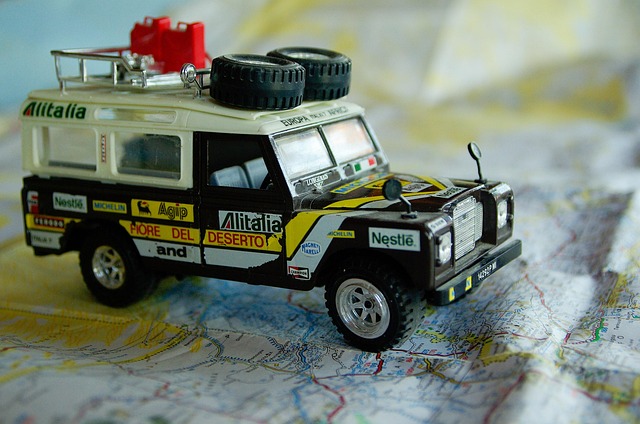
Brownsville Overlanding Planning requires a thorough understanding of vehicle systems for safe and reliable off-road adventures. Anti-lock Braking Systems (ABS) play a pivotal role in ensuring driver control and preventing skidding during sudden stops or challenging terrain. Integrating ABS into your Brownsville Overlanding Planning is not merely an option but a strategic necessity.
ABS sensors continuously monitor wheel speed, detecting any significant difference that may indicate a wheel is locking up. When a potential lockup is detected, ABS engages the brakes individually on wheels at risk, allowing for controlled deceleration and preventing skidding. This system offers numerous advantages in off-road scenarios. For instance, navigating rutted trails or steep descents becomes safer as ABS helps maintain steering control by preventing excessive wheel slip. A study conducted by the National Highway Traffic Safety Administration (NHTSA) revealed that vehicles equipped with ABS have 34% fewer brake-related crashes, underscoring its critical role in roadside safety.
When planning your Brownsville Overlanding trip, assess your vehicle’s ABS capabilities and ensure they meet the demands of the trail. Regular maintenance and understanding how to recognize ABS warning lights are essential. Additionally, consider enhancing your overlanding kit with tools for diagnosing ABS issues, ensuring you can address any problems promptly during remote adventures. By prioritizing ABS integration and proper planning, off-road enthusiasts can embrace Brownsville’s rugged landscapes with increased confidence and peace of mind.
Troubleshooting and Maintaining ABS Sensors Effectively

ABS sensors are critical components of modern vehicle safety systems, playing a pivotal role in maintaining stable braking during emergency situations. However, these sensitive devices can encounter issues over time, leading to reduced performance or outright failure. For those planning Brownsville Overlanding trips or any off-road adventures, reliable ABS functionality is non-negotiable for navigating challenging terrain safely. This section delves into effective troubleshooting and maintenance practices to ensure these sensors remain in top condition.
Regular inspection is the cornerstone of proactive sensor maintenance. Start by visually examining the sensors for signs of damage, corrosion, or loose connections. Check for any visible debris or wear on the brake pads, which could indicate excessive wear on sensors over time. A simple voltage check with a multimeter can confirm proper power supply to the ABS module, revealing potential issues early on. For instance, consistently low voltage readings might signal a faulty sensor connection or a problem within the electrical circuit.
When troubleshooting, consider both internal and external factors. Sensor malfunction could result from worn-out components like wheel speed sensors, damaged wires, or corrupt ABS software. In extreme cases, sensor fusion issues within the control unit can lead to erratic braking behavior. For instance, a study by the National Highway Traffic Safety Administration (NHTSA) found that 30% of ABS failures were due to electrical system problems, emphasizing the need for thorough diagnostics. Overlanding enthusiasts should keep a well-stocked toolkit with specialized diagnostic tools and replacement parts tailored for ABS systems.
Preventive maintenance is key to avoiding unexpected sensor failures during off-road excursions. Regular cleaning of sensors with decontaminant sprays can prevent corrosion buildup. Additionally, maintaining proper tire pressure and replacing worn brake pads promptly reduces the risk of sensor damage. For those embarking on lengthy Brownsville Overlanding trips, scheduling periodic ABS system checks at reputable repair facilities can provide peace of mind. By staying proactive and adopting these maintenance practices, overlanders can ensure their vehicles’ safety systems remain robust, enhancing overall trip security and enjoyment.
In this comprehensive guide, we’ve explored the multifaceted world of ABS sensors, from their foundational knowledge and functions to practical applications like Brownsville Overlanding Planning. Key takeaways include understanding the basic principles of ABS and its benefits for vehicle safety, learning how ABS systems work step-by-step, and emphasizing the importance of choosing the right sensor for optimal performance. We’ve also highlighted effective troubleshooting and maintenance practices, ensuring readers can effectively manage these critical components. By integrating this knowledge into their Brownsville Overlanding Planning, individuals not only enhance their off-road safety but also gain valuable insights into vehicle technology, empowering them to make informed decisions regarding their automotive needs.