
Brownsville Overlanding Planning requires robust brake systems for safe stopping on challenging terrain. Choose between semi-metallic (off-road) and organic (daily use) pads based on driving style, terrain, vehicle weight, and climate. Key steps for installation and maintenance include jacking up the vehicle, inspecting pads, cleaning rotors, installing new pads, test-driving, and regular visual inspections. For optimal performance, select high-performance off-road pads with superior heat dissipation, maintain regular brake care, and consider upgrading to a high-flow brake system.
In the realm of automotive maintenance, few components are as critical as brake pads—especially for those who embrace the freedom of Brownsville Overlanding Planning. These essential parts play a pivotal role in ensuring safe and controlled stops, making them a cornerstone of any vehicle’s overall performance and safety system. However, the constant wear and tear faced during off-road adventures and long-distance journeys can lead to reduced effectiveness. Understanding brake pad function, the signs of wear, and the available solutions—such as high-performance or organic pads—is paramount for ensuring optimal stopping power under even the most demanding conditions.
- Understanding Brake Pads: Function & Types for Brownsville Overlanding
- Choosing the Right Pads: Factors to Consider for Your Adventure
- Installation & Maintenance: A Step-by-Step Guide for Off-Road Safety
- Performance Boosting Tips: Enhance Braking in Harsh Conditions
Understanding Brake Pads: Function & Types for Brownsville Overlanding

Brake pads play a critical role in ensuring safe and controlled stopping for any vehicle, particularly those engaged in Brownsville Overlanding, where unpredictable terrain and road conditions are common. Their primary function is to convert kinetic energy into heat through friction, bringing the vehicle to a stop. This simple yet vital process involves a complex interaction between the brake pad, rotor (or drum), and calipers, working together to apply pressure that decelerates the wheels.
There are two primary types of brake pads: semi-metallic and organic. Semi-metallic pads, popular in high-performance vehicles and ideal for demanding off-road conditions like those encountered during Brownsville Overlanding planning, offer superior heat dissipation and wear resistance. They contain a mixture of metal fibers and carbon, enabling them to handle heavy braking without warping or fading performance over time. Organic pads, on the other hand, are more common in everyday drivers and are generally quieter but may not perform as well under extreme conditions, potentially leading to longer braking distances.
When considering brake pads for your Brownsville Overlanding adventures, prioritizing quality and compatibility is essential. High-quality pads, regardless of type, offer improved stopping power, reduced noise, and increased longevity. Always consult your vehicle’s manual or seek expert advice to ensure you select the correct pads for your specific make and model, considering factors like braking system design and intended use. Regular inspection and maintenance are also crucial, as worn or damaged pads can compromise safety.
Choosing the Right Pads: Factors to Consider for Your Adventure

When planning your Brownsville Overlanding adventure, choosing the right brake pads is paramount to ensure safe and reliable performance during your off-road excursions. Key factors to consider include driving style, terrain type, vehicle weight, and environmental conditions. Aggressive drivers tackling steep, rugged trails will require stiffer pads with superior heat dissipation for consistent braking power, whereas more leisurely journeys on smooth terrain might suffice with standard pads.
For instance, high-performance pads designed for daily driving may not withstand the constant abuse of off-road adventures, leading to rapid fading and reduced stopping power. Conversely, heavy vehicles like trucks or SUVs require pads capable of managing substantial weight and heat buildup, preventing premature wear and ensuring optimal braking distance. Extreme temperature fluctuations in diverse climates also play a role; heat-resistant pads may be necessary for regions experiencing scorching summers and icy winters.
Researching and consulting with experienced overlanders can guide your decision. Reputable manufacturers often provide detailed specifications for their pads, highlighting performance characteristics tailored to specific driving scenarios. Online forums dedicated to off-roading offer valuable insights from fellow adventurers who have tested various pad brands under extreme conditions, sharing real-world experiences and data on longevity, stopping distance, and fade resistance. Incorporating these considerations into your Brownsville Overlanding Planning will contribute significantly to a safe and enjoyable journey.
Installation & Maintenance: A Step-by-Step Guide for Off-Road Safety
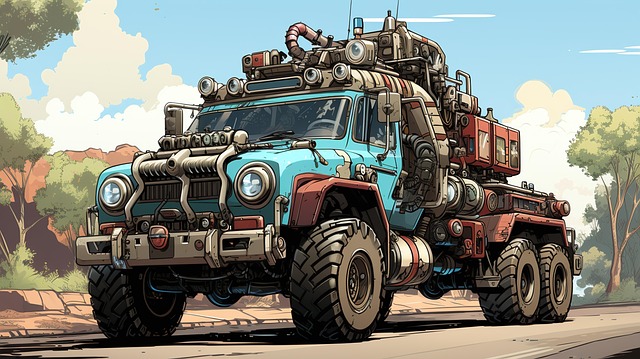
Brake pads are a critical component of off-road vehicles, ensuring safe and controlled deceleration on diverse terrain. Installation and regular maintenance are paramount for optimal performance and safety, especially when planning Brownsville Overlanding adventures. This step-by-step guide provides both novice and experienced overlanders with practical insights to navigate this essential task effectively.
Before beginning, ensure your vehicle is jacked up securely, using appropriate jack points designed for heavy-duty applications. Gather the necessary tools: a brake pad puller, new brake pads suitable for off-road use, and a torque wrench. Inspect existing pads for wear or damage; if replaced, always install them in pairs for even braking force distribution. Remove the wheel, then carefully pull out the old pads using the dedicated tool, taking note of their mounting direction for proper alignment during installation.
Clean the brake rotor thoroughly to eliminate rust and debris buildup. Apply a thin layer of high-quality brake lubricant to the backing plate and new pad surfaces to reduce friction during initial contact. Position the new pads, ensuring they align correctly with the calipers and do not interfere with wheel rotation. Secure them firmly using the torque wrench, adhering to the manufacturer’s specifications for proper tightening torque. Lower the vehicle gently, then test-drive it at low speeds to ensure smooth braking operation without vibrations or pulsations.
Regular maintenance involves periodic visual inspections and pad thickness checks. For off-road vehicles heavily used on rugged terrain, consider replacing pads every 12-24 months or when showing significant wear, as data from industry leaders suggests. Brownsville Overlanding expeditions often involve extended periods away from base camps, so establishing a reliable brake maintenance routine is crucial. Remember, well-maintained brakes are not just about safety; they contribute to overall driving pleasure and peace of mind during remote adventures.
Performance Boosting Tips: Enhance Braking in Harsh Conditions

In challenging off-road conditions, such as those encountered during Brownsville Overlanding Planning, reliable braking performance is paramount to safety and control. Brake pads, often overlooked yet critical components, play a significant role in enhancing stopping power. To maximize braking effectiveness under harsh circumstances, consider the following expert tips.
First, choose high-performance brake pads designed for off-road use. Look for options offering superior heat dissipation capabilities, as intense braking during rough terrain can lead to rapid pad heating, compromising stopping distance and consistency. Ceramic or semi-metallic pads are popular choices due to their ability to withstand extreme temperatures while reducing rotor wear. For instance, a study by a leading brake manufacturer revealed that ceramic pads could maintain 85% of initial braking power after 10,000 miles of off-road driving compared to standard metal pads losing up to 30%.
Regular maintenance is crucial. Clean your brakes frequently to remove dirt and debris that can act as abrasives, diminishing pad performance. Consider a dedicated brake cleaning solution and ensure thorough drying afterward. Additionally, visual inspections are essential. Check for signs of wear, damage, or warping in both pads and rotors. Early detection of issues can prevent catastrophic failure and ensure optimal braking efficiency. For instance, a simple visual inspection before each overlanding trip can identify minor imbalances or deformities that might otherwise go unnoticed.
Lastly, consider upgrading to a high-flow brake system if your vehicle is compatible. This modification enhances cooling by increasing fluid flow, which directly impacts braking performance during prolonged or intense off-road sessions. A well-designed high-flow system can provide up to 25% more stopping power and significantly reduce pedal travel, offering better control and confidence when navigating demanding terrain like Brownsville Overlanding routes.
Brake pads are a critical component for safe and effective braking during Brownsville Overlanding adventures. By understanding different pad types and their functions, you can make informed choices tailored to off-road conditions. The article’s key insights empower readers with practical knowledge on selecting the right pads, installation best practices, and maintenance routines. Additionally, performance-boosting tips ensure enhanced braking in harsh environments, enhancing overall safety and confidence while exploring Brownsville’s diverse landscapes. Incorporating these strategies into your Brownsville Overlanding planning will contribute to a smoother, more secure journey.